She kept letters, keys, paperwork, medications and reading glasses within arm’s reach.
In the next room was a pile of laundry she would sort while sitting down.
Everything in her home had been placed to save two things: breath and energy.
I was in Philadelphia filming a woman living with COPD.
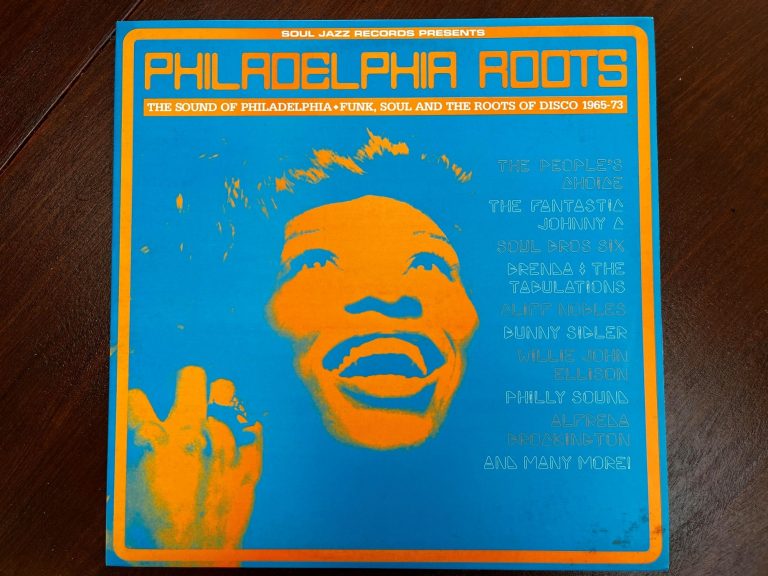
At one point, she mentioned she used to be a backing vocalist for Billy Paul, the 1970s soul legend that sang the hit song “Me and Mrs. Jones.” She’d known a few Philly soul artists of that era.
We then got completely lost in conversation. I love music, and when someone gives you an inside scoop on an artist that’s in your record collection you forget you’re supposed to be working.
For me, that one detail changed the entire story.
This was a woman who used to fill theatres with her voice. Now, she arranges her life around the distance to a chair.
But is it typical? Will the audience relate to it, will they trust it?
It misses the point.
The stories that try to smooth away the unique edges to find something that fits all are usually the ones that disappear from memory. The real insight lives in the moment when you walk into someone’s home and reality doesn’t match the story you expected to find.
That little homemade nerve centre where she kept her things. The chair parked next to the laundry. Billy Paul. The Philly soul scene stories.
None of it was typical but it was all true.
The more particular a detail, the more people recognise themselves in it. It’s not because they share the diagnosis, it’s because they understand what it means to arrange their world around something they’ve lost.
The paradox is: go specific if you want to reach everyone.